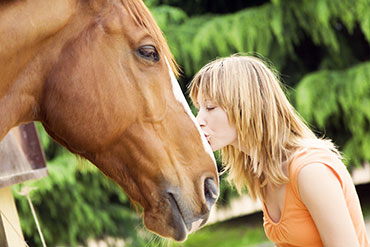
 Animal-assisted therapy (AAT) is a complementary and alternative therapy that involves interactions with animals as a form of treatment. It is not a psychotherapy but instead falls under the realm of “animal assisted interventions” (AAI). AAI is general term that encompasses any intervention or treatment that includes an animal in a therapeutic context, including emotional-support animals and service animals.
The most commonly used types of AAT are canine-assisted therapy and equine-assisted therapy. The goal of AAT is to improve a patient’s social, emotional and cognitive functioning. There are various studies documenting the positive effects of AAT reported through subjective self-rating scales and objective physiological measures, such as blood pressure and hormone levels.
Wilson’s biophilia hypothesis is based on the premise that our attachment to—and interest in—animals stems from the strong possibility that human survival was partly dependent on signals from animals in the environment that indicated safety or threat. The biophilia hypothesis suggests that if we see animals at rest or in a peaceful state, this may signal to us safety, security and feelings of well-being which in turn may trigger a state where personal change and healing are possible.
In humans, six neurotransmitters that influence mood have been documented to release after a 15-minute interaction with animals. In dogs, increased neuron activity and olfactory (smelling) ability is thought to play an important role in their connection with humans during therapeutic encounters.
Research has found AAT particularly helpful in cases of post traumatic stress disorder (PTSD). Interaction with animals has a number of effects—direct and indirect—on a mental health spectrum including biological, psychological and social responses. These interactions target marked symptoms of PTSD, such as re-experiencing, avoidance, changes in beliefs/feelings, and hyperarousal. Direct effects of animal interactions include a decrease in anxiety and blood pressure while indirect effects result in increased social interactions and overall participation in everyday activities.
Biologically, specific neurochemicals are released when observing human and animal interactions (Krause-Parello, 2016). Similarly, dog assistance can potentially mediate oxytocin which effects social and physical wellbeing and decreases blood pressure.
The psychological benefits of animals focus mainly on dog and human interactions, the reduction of anxiety and depressive symptoms, and increased resilience. Animals in this capacity can further provide emotional and psychological assistance and support, addressing several PTSD symptoms. For someone with PTSD, the presence of an animal can alleviate intrusion symptoms by providing a reminder that there is no danger present. Animals can further elicit positive emotions, targeting emotional numbing experiences. Animal interactions also provide social benefits, providing companionship and alleviating feelings of loneliness and isolation through everyday routines and increased social interactions in public.
The incorporation and involvement of animals dates back to the earliest forms of organized combat. Dogs, in particular, were utilized in different capacities. Ancient armies employed dogs as soldiers and companions which extended to modern combat including dogs as a crucial asset in communication, detection and intimidation. In World War II, dogs were used in therapy for emotional support during the war.
While a range of animals can be utilized in AAIs, dogs and horses have been the most investigated as forms of rehabilitation for veterans suffering from PTSD. Dog assisted therapy and therapeutic horseback riding are effective and non-invasive methods for treating PTSD in veterans.
Dogs used in AAI are typically categorized according to the level of training received and the specific needs of the individual. A service dog provides relief through specialized support related to a physical, mental or psychological disability. Emotional support animals (ESAs) solely provide psychological relief and do not require specialized training.
Therapy animals often provide additional support in a therapeutic environment by supporting counselors or therapists in their therapeutic duties. While service dogs, ESAs and therapy dogs can play a supportive role, specifically bred and selected dogs called “PTSD service dogs (PSDs)” are trained and assigned to veterans with PTSD to support with daily life activities as well as with emotional and mental health needs.
Dogs provide subjective positive effects to veterans and serve as a compassionate reminder to veterans suffering from PTSD that danger is not present, creating a safe space for the veteran. They are often sensitive to humans and have the ability to adapt their behavior accordingly by doing tasks such as preventing panic, waking a veteran from a nightmare and nudging to help the veteran stay in the present.
Dogs also provide veterans with a nonjudgmental and safe environment that can help a veteran express feelings and process thoughts without interruption, criticism or advice. Interactions, such as petting, playing and walking with a dog can increase physical activity, reduce anxiety and provide encouragement to stay in the present moment. The interaction between dogs and veterans supports social interactions for isolated veterans, reduces symptoms associated with PTSD such as depression and anxiety, and increases veterans’ calmness.
Similar to dogs, horses have been included in the treatment of veterans suffering from PTSD by providing an accepting and nonjudgmental environment, which further facilitates a veterans’ ability to cope with symptoms associated with PTSD. Because horses are social animals, they are capable of creating and responding to relationships based on the veteran’s energy, providing an opportunity for veterans to regain the ability to form trusting relationships.
Therapeutic work with horses varies from ground-based activities, mounted activities or a combination of both. In a therapeutic context, horses can promote cognitive reframing as well as an increase in the use of a mindfulness practice. Veterans who have participated in equine therapy programs have better communication skills, self-awareness and self-esteem. Long term effects of equine based interventions with veterans include increased happiness, social support and better sleep because they are able to process information regarding their emotions and behaviors in a nonjudgmental space.
In general, animals AAT can be an effective way to reduce anxiety by incorporating interactions with animals into therapeutic sessions. These interactions can help reduce stress, improve mood, and provide a sense of comfort and well-being.
Dr. Randi Fredricks, Ph.D.
Author Bio
Dr. Randi Fredricks is a leading expert in the field of mental health counseling and psychotherapy, with over three decades of experience in both research and practice. She holds a PhD from The Institute of Transpersonal Psychology and has published ground-breaking research on communication, mental health, and complementary and alternative medicine. Dr. Fredricks is a best-selling author of books on the treatment of mental health conditions with complementary and alternative medicine. Her work has been featured in leading academic journals and is recognized worldwide. She currently is actively involved in developing innovative solutions for treating mental health. To learn more about Dr. Fredricks’ work, visit her website: https://drrandifredricks.com

References
Fredricks, Randi. (2008). Healing & wholeness: Complementary and alternative therapies for mental health. Bloomington, IN: Author House.
Fredricks, Randi. (2020). Complementary and Alternative Treatments for Anxiety. Bloomington, IN: Author House.
Brooks HL, Rushton K, Lovell K, et al. (2018). The power of support from companion animals for people living with mental health problems: a systematic review and narrative synthesis of the evidence. BMC Psychiatry,18(1), 31.
Marcus DA. (2013). The science behind animal-assisted therapy. Current Pain and Headache Reports, 17(4), 322.
Odendaal JS. (2000). Animal-assisted therapy – magic or medicine? Journal of Psychosomatic Research, 49(4), 275–280.
Kruger, K. A. & Serpell, J. A. (2010). Animal-assisted interventions in mental health: Definitions and theoretical foundations. In A. H. Fine (Ed.), Handbook on animal-assisted therapy: Theoretical foundations and guidelines for practice (p. 33–48). Cambridge, MA: Elsevier Academic Press.
Glintborg C, Hansen TG. (2017). How Are Service Dogs for Adults with Post Traumatic Stress Disorder Integrated with Rehabilitation in Denmark? A Case Study. Animals, 7 (5), 33.
Hoagwood KE, Acri M, Morrissey M, Peth-Pierce R. (2016). Animal-Assisted Therapies for Youth with or at risk for Mental Health Problems: A Systematic Review. Applied Developmental Science, 21(1), 1–13.
O’Haire ME, Guérin NA, Kirkham AC (2015). Animal-Assisted Intervention for trauma: a systematic literature review. Frontiers in Psychology. 6, 1121.